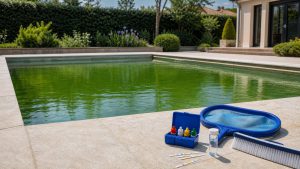
A robotic cleaner can greatly simplify pool maintenance, but only if it matches the pool’s surface, shape and size. A cheaper model may clean only the floor, while a more advanced one also handles the walls and waterline. So before buying, don’t compare only price and cable length.
- Does the robot clean the floor, walls and waterline?
- How easy is it to clean the filter basket?
- Is it suitable for liner, ceramic, laminate or stainless steel?
- Who handles service for the cable, tracks and motor?
Apps with floor mapping can plan a more efficient route and save cleaning time, but navigation can fail more often on irregularly shaped pools than in rectangular ones. Also check the robot’s noise level during operation and whether the filter basket can be emptied without disassembling the robot. For salt water, make sure the model is explicitly designed for that environment.
For larger pools, also consider cleaning speed – a weaker model may take a noticeably longer full cycle, which increases electricity consumption and track wear. Before buying, also check the warranty terms for the motor and electronics, which tend to be the costliest part of any repair.
Next step
Planning a similar pool, hot tub or wellness project?
Move from inspiration to the company directory, a clear request or a regular editorial selection.