Quick answer: always close the hot tub when the water smells, feels slimy, foams, has unclear disinfection readings, has been sitting after a power cut, or when a rash, fever, cough or shortness of breath appears after use. Warm water, jets and a small volume mean a hygiene problem develops faster in a hot tub than in a large pool.
This guide is not a diagnosis or a treatment. It helps you decide when not to swim, what to check in the water, and when not to wait before seeing a doctor about a health problem. For public facilities, local health regulations and the operating rules always apply.
Hot tub risk checklist
| Signal | First step | Close the water? | When to see a doctor |
|---|---|---|---|
| Rash, spots or itching after the hot tub | stop using the hot tub, check disinfection, pH, the filter, any slime, and the date of the last water change | yes, until the readings and water hygiene are under control | see a doctor for fever, pus, worsening symptoms, pain, or if it involves a young child or someone with a weakened immune system |
| Cough, shortness of breath, fever or muscle aches within two weeks of hot tub use | do not use the hot tub, note the date you used it, and pass this information to a doctor | yes, close the hot tub and address both the water and the equipment | contact a healthcare professional without delay and mention the recent hot tub use |
| Water smells, foam keeps coming back, or the surface feels slimy | measure pH and disinfection, clean the filter, check the cover, and consider cleaning the pipework | yes, if the smell, slime or foam persists after routine maintenance | if health symptoms appear after swimming, do not just wait for the water treatment to work |
| Temperature is above 40°C, or you are not sure what the hot tub is actually showing | lower the temperature, check it with an independent thermometer, and shorten the time in the water | yes, if the temperature control is not working or the water feels unusually hot | extra caution for children, pregnant women, older adults and people with health conditions |
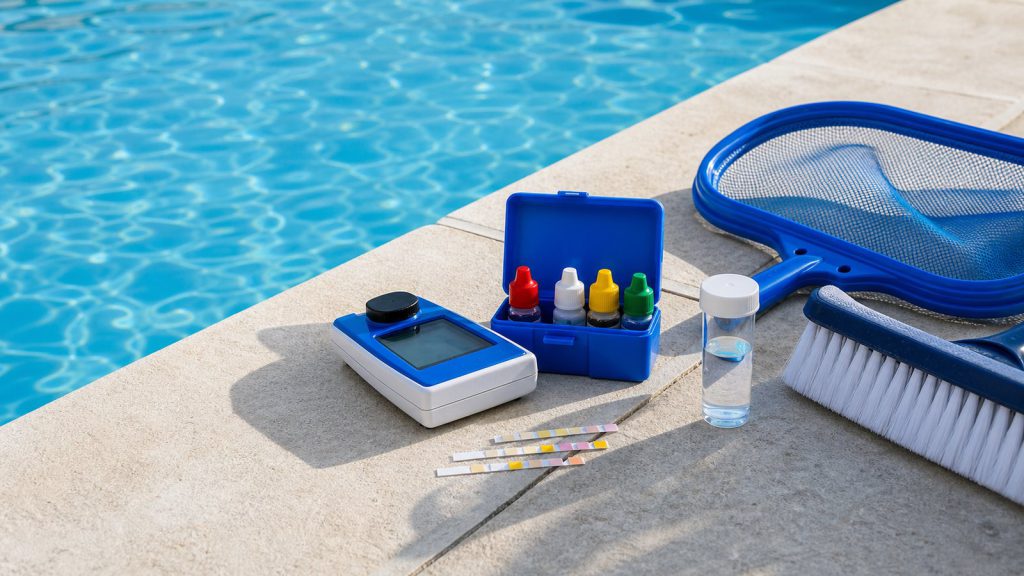
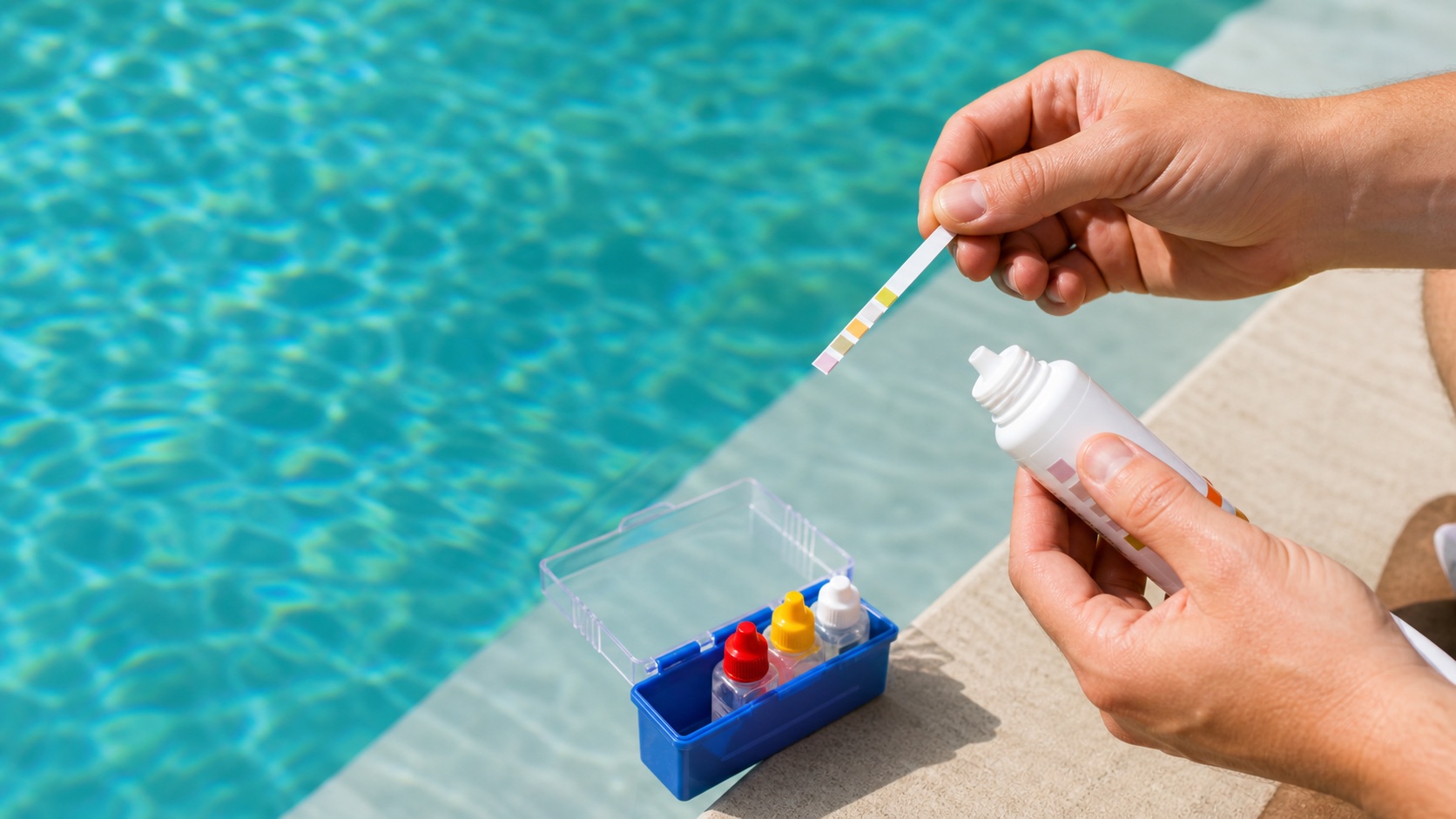
| The test kit shows low or zero disinfection | do not swim, correct the water according to the chemical instructions, mix it in, filter, and re-test | yes, until disinfection is in the recommended range | if problems appear after swimming, address the symptoms, not just the readings |
| The filter is dirty, slimy, or has not been changed for a long time | clean or replace the filter, and check the water-change schedule | close it if there is a smell, slime, cloudiness, foam, or the problem keeps coming back | treat skin or breathing problems after swimming as a warning sign in their own right |
| The hot tub sat for several days without disinfection, or after a power cut | do not let guests into the water, measure the readings, clean the filter, and address the pipework and biofilm | yes, especially with warm water and a small volume | if someone has already used it and has symptoms, tell the doctor about the hot tub exposure |
| A public, hotel or showroom hot tub looks neglected | do not swim if the water smells, looks cloudy, the surface feels slippery, or staff cannot show you the readings | the same principle applies at home: do not get in without clear readings and maintenance | after a risky exposure, watch for skin, ear and breathing symptoms |
Why a hot tub is more sensitive than a pool
- Warmer water uses up disinfection faster.
- The jets create an aerosol that people breathe in above the surface.
- A small volume of water means sweat, cosmetics and detergent residue from swimwear have a bigger impact.
- The pipework, jets, filter and cover can harbour biofilm even while the water looks clear for a while.
- A hot tub is often used in the evening, after a sauna or alcohol, when people underestimate the temperature and their own fatigue.
When it is better to drain the water
- The water repeatedly smells, foams or feels slimy even after routine maintenance.
- The hot tub sat warm without disinfection, or went through a longer power cut.
- A rash, irritation, fever or breathing problems appear in several people after swimming.
- It is unclear when the pipework, filter and the inside of the cover were last cleaned.
- The readings cannot be stabilised, and the filter is clogged.
Where to go next
- Restarting a hot tub after downtime, odour and biofilm
- When not to swim in a pool or hot tub
- Pool and hot tub water values cheat sheet
- How to test the water correctly
- Partial water replacement calculator
- Service brief for a water problem
Sources and background
For hygiene guidance and warning signs, this is based mainly on CDC information about Legionella in hot tubs, the CDC module on controlling Legionella in hot tubs, and practical recommendations for the healthy use of hot tubs. Local limits and the operation of public hot tubs are governed by local legislation.